Introduction
In today's busy world, the capability to react properly in an emergency can make all the difference in between life and death. One essential ability that every person should possess is Cardiopulmonary Resuscitation (CPR). This article dives deep into The Value of CPR Accreditation: What You Required to Know, highlighting why obtaining a CPR accreditation is not just advantageous yet vital for any person looking to make certain safety in their community.
The Importance of mouth-to-mouth resuscitation Certification: What You Required to Know
When it concerns saving lives, knowledge is power. Mouth-to-mouth resuscitation is an essential ability that can be found out via different first aid courses With heart attack being one of the leading causes of death around the world, having mouth-to-mouth resuscitation understanding can dramatically raise survival rates. According to the American Heart Association, instant mouth-to-mouth resuscitation can double or perhaps triple a target's possibility of survival.

But exactly what does mouth-to-mouth resuscitation involve? It's a mix of upper body compressions and rescue breaths designed to keep blood circulation and oxygenation throughout cardiac emergencies. While lots of people assume CPR is just essential for healthcare experts, the fact is that any person can gain from learning this possibly life-saving skill.
What Does mouth-to-mouth resuscitation Certifcation Entail?
CPR certification typically entails completing a training course that covers various skills, including:
- Recognizing heart attack symptoms Performing top quality breast compressions Administering rescue breaths Using an Automated External Defibrillator (AED)
These skills are typically taught along with first help courses, giving a comprehensive understanding of just how to respond in emergencies.
Why You Ought to Obtain Certified
Life-Saving Skills: The most engaging factor for acquiring your CPR qualification is the capability to conserve lives. Having these abilities prepares you for emergencies in your home, at work, or in public spaces.
Confidence Increase: Recognizing how to execute CPR can increase your self-confidence when confronted with an emergency situation. This guarantee enables you to act emphatically as opposed to freeze under pressure.
Career Opportunities: Many companies look positively upon candidates with accreditations in first aid and mouth-to-mouth resuscitation. Fields such as health care, education, and sports mentoring commonly require these credentials.
Community Influence: When much more people are learnt CPR, neighborhoods come to be much safer places. Imagine attending a public occasion where numerous individuals understand just how to do CPR; the likelihood of efficient intervention increases exponentially.
Renewal and Continual Knowing: The majority of qualifications need revival every 2 years or so, guaranteeing that individuals stay updated on ideal techniques and any type of changes in guidelines.
What Are Your Choices for Training?
There are many methods offered for acquiring your CPR accreditation:
Online Courses
Online programs have gained popularity because of their comfort. You can learn at your very own pace without geographical constraints.
In-Person Classes
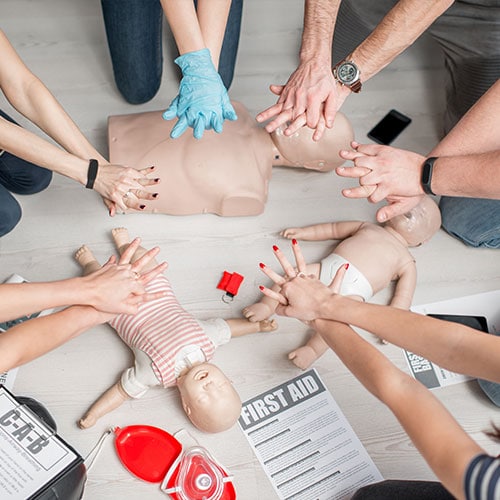
In-person courses use hands-on experience under professional guidance, which can be invaluable when it comes time to apply your skills in real-life situations.
Combination Programs
Some companies provide hybrid programs that integrate on-line theory with hands-on technique sessions.
Finding the Right Emergency treatment Course
When selecting a training program, consider elements like area, cost, duration, and reputation of the establishment supplying the training course. Try to find accredited organizations recognized by authorities like the American Heart Association or Red Cross.
How Often Should You Rejuvenate Your Certification?
Most accreditations suggest renewing every two years. Constant practice makes sure abilities remain sharp and current with existing guidelines.
Frequently Asked Concerns (FAQs)
1. What Is Consisted of in a First Aid Course?
A common first aid course covers abilities such as injury treatment, choking relief methods, basic life assistance (BLS), and just how to utilize an AED together with CPR training.
2. How Lengthy Does It Take To Get Certified?
Most training courses last in between 4-8 hours for initial qualification and might take less time for renewal programs due to prior knowledge.
3. Is Online Accreditation Valid?
Yes! As long as the course is accredited by acknowledged bodies like AHA or Red Cross.
4. Can I Use My Emergency Treatment Certificate Internationally?
It depends on the country's policies; nevertheless, numerous places identify accreditations from reputable organizations worldwide.
5. Are There Age Constraints for Taking a Course?
Generally no; people as young as 12 can take most emergency treatment training courses with adult consent.
6. Do Business Offer Group Price Cuts for Training?
Many companies do supply price cuts for team bookings that makes it much easier for companies intending to educate numerous staff members simultaneously.
Conclusion
Learning CPR is not merely an option; it's a responsibility we owe ourselves and our communities. The importance of being prepared First Aid Courses Near Me can not be overstated-- having your qualification outfits you with life-saving skills that can make all the distinction during emergencies. By enrolling in a credible emergency treatment course that consists of detailed training on both First Aid Course first aid strategies and mouth-to-mouth resuscitation treatments, you're taking positive actions towards ending up being a useful property in crisis situations.
As we have actually checked out throughout this post entitled "The Importance of CPR Accreditation: What You Required to Know," it's clear that having these abilities enhances not just personal self-confidence but also area safety and security generally-- creating a ripple effect where preparedness becomes acquired behavior amongst us all! So why wait? Register today!
